Official Trezor™ Login — Desktop & Web App for Hardware Wallets
Trezor Login: A Complete Guide to Secure Access to Your Crypto Wallet
In the fast-evolving world of cryptocurrency, security is everything. Whether you are managing Bitcoin, Ethereum, or multiple altcoins, safeguarding your digital assets should be your top priority. That’s where Trezor login comes in. Using a hardware wallet like Trezor ensures that your private keys remain offline and protected from online threats.
This comprehensive guide explains how Trezor login works, how to set it up, common troubleshooting steps, and best practices for keeping your crypto safe.
What Is Trezor?
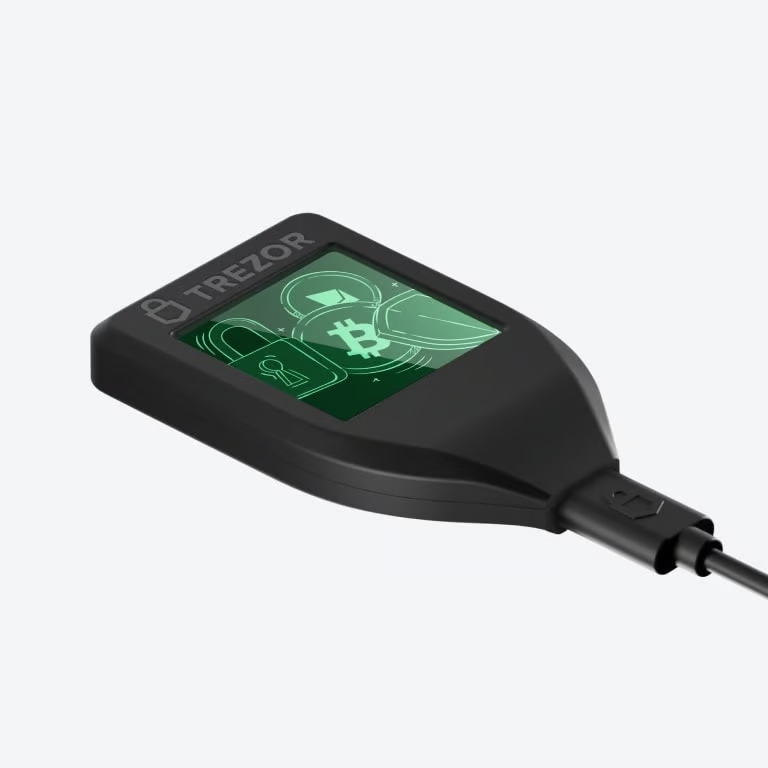

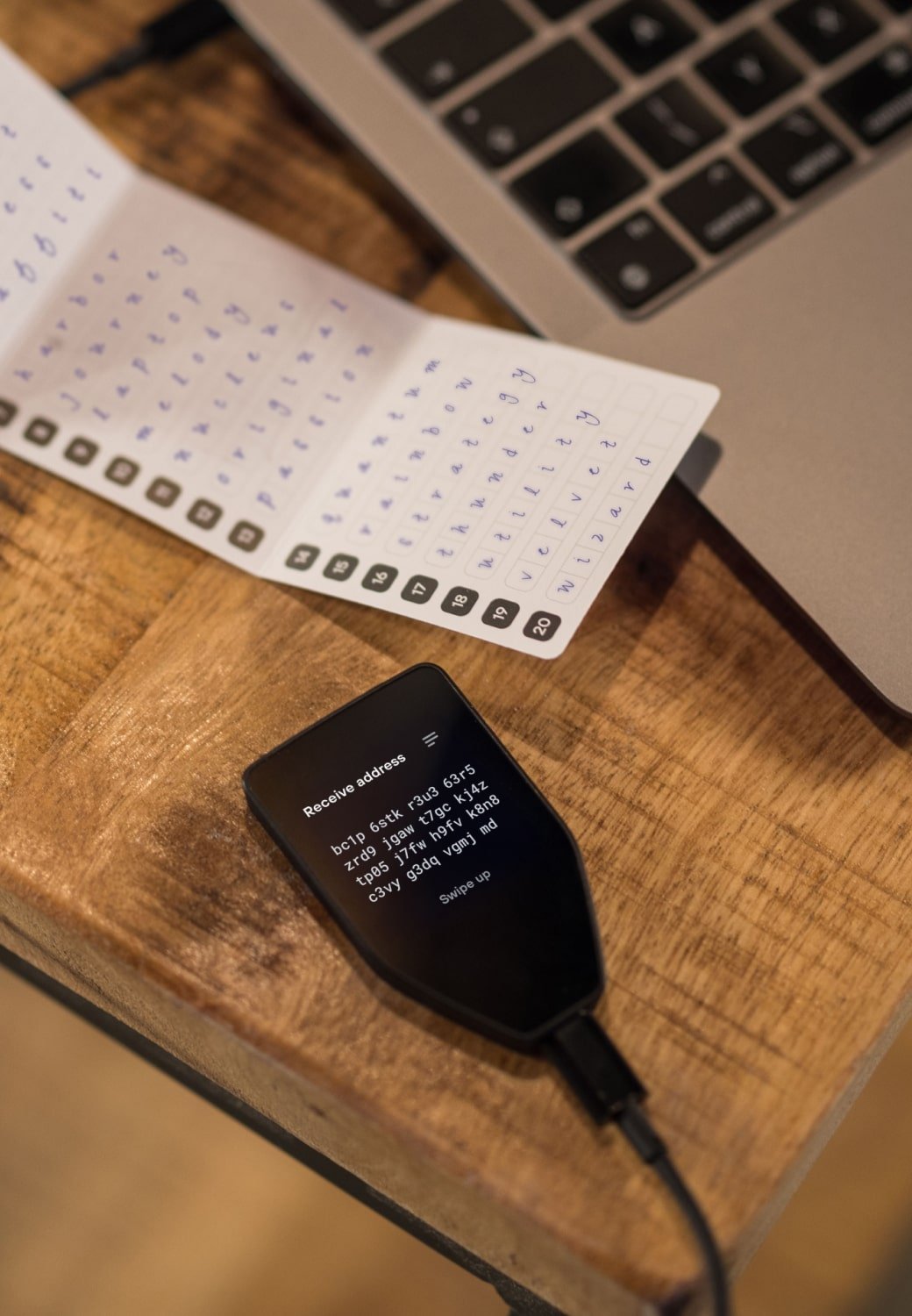
Trezor is a hardware wallet developed by SatoshiLabs. It is designed to store cryptocurrency private keys offline, protecting them from hackers, malware, and phishing attacks.
Unlike web wallets or exchange accounts, Trezor ensures that your private keys never leave the device. Even when you log in to manage your funds, all sensitive operations are securely verified on the hardware wallet itself.
Key Features of Trezor
- Offline private key storage
- PIN and passphrase protection
- Secure transaction verification
- Support for thousands of cryptocurrencies
- Open-source firmware
- Backup and recovery seed system
Trezor devices are compatible with the official management platform called Trezor Suite, which allows users to access their crypto portfolio safely.
Understanding Trezor Login
When people refer to “Trezor login,” they are not talking about a traditional username and password system. Instead, logging in with Trezor means securely connecting your hardware wallet to Trezor Suite or a supported application.
How Trezor Login Works
- Connect your Trezor device to your computer.
- Open Trezor Suite.
- Enter your device PIN.
- Confirm access on the hardware wallet screen.
- Access your crypto accounts.
All authentication happens on the physical device. Your PIN and passphrase are never exposed to the internet.
Step-by-Step Guide to Trezor Login
Step 1: Install Trezor Suite
Download and install Trezor Suite from the official Trezor website. It is available for Windows, macOS, and Linux.
After installation, launch the application.
Step 2: Connect Your Trezor Device
Use the USB cable provided with your device. Once connected, Trezor Suite will detect your hardware wallet automatically.
Step 3: Enter Your PIN
Your Trezor device will display a randomized PIN layout. Enter the correct PIN on your computer according to the device’s grid.
This extra security layer prevents malware from capturing your PIN.
Step 4: Optional – Enter Passphrase
If you enabled a passphrase, you’ll need to enter it during login. The passphrase acts as an additional layer of protection and creates hidden wallets.
Step 5: Access Your Dashboard
Once authenticated, you will gain access to:
- Portfolio overview
- Transaction history
- Send/receive crypto options
- Account management settings
Your login session remains secure as long as your device stays connected.
Why Trezor Login Is More Secure Than Traditional Wallet Logins
Traditional crypto platforms rely on usernames, passwords, and sometimes two-factor authentication. However, online systems remain vulnerable to phishing, SIM-swapping, and malware attacks.
With Trezor login:
- Private keys never leave the device.
- Transactions require physical confirmation.
- Even compromised computers cannot access funds without the device.
- PIN protection prevents unauthorized access.
This hardware-based authentication drastically reduces attack risks.
Trezor Model Comparison for Login
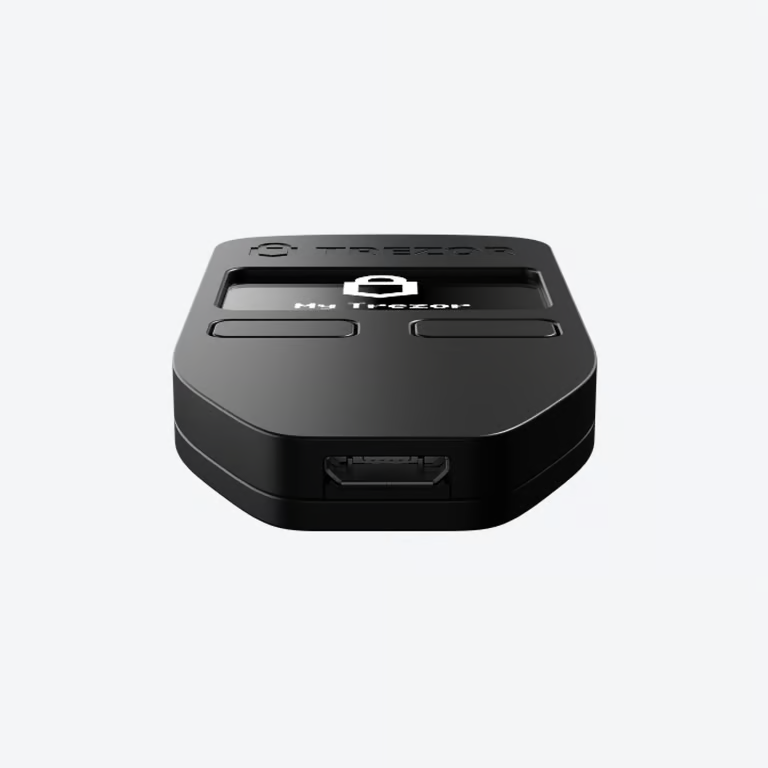


Trezor offers two main models:
Trezor Model One
- Budget-friendly option
- Physical buttons
- Strong security features
- Suitable for beginners
Trezor Model T
- Premium touchscreen device
- Easier PIN and passphrase entry
- Advanced cryptocurrency support
- Enhanced user interface
Both models provide secure login through PIN verification and optional passphrase protection.
Common Trezor Login Issues and Solutions
Even though Trezor login is straightforward, users sometimes encounter issues.
1. Device Not Recognized
Possible causes:
- Faulty USB cable
- Outdated Trezor Suite
- Browser compatibility issue
Solution:
- Use the official cable
- Update Trezor Suite
- Restart your computer
2. Incorrect PIN
Entering the wrong PIN multiple times can temporarily lock your device.
Solution:
- Double-check the randomized grid
- Wait for the timeout period
- Use your recovery seed only if device reset is required
3. Forgotten Passphrase
If you forget your passphrase, there is no recovery method.
Important: The passphrase is not stored anywhere. Losing it means losing access to that hidden wallet.
Best Security Practices for Trezor Login
To maximize security, follow these recommendations:
Keep Your Recovery Seed Offline
When setting up Trezor for the first time, you receive a 12 or 24-word recovery seed. Write it down and store it in a secure location.
Never:
- Take a photo of it
- Store it online
- Share it with anyone
Enable Passphrase Protection
Adding a passphrase creates hidden wallets and adds another security layer.
Always Verify Transactions
Confirm all transactions directly on the Trezor device screen before approving them.
Keep Firmware Updated
Regular firmware updates improve security and fix vulnerabilities.
Can You Use Trezor Login with Third-Party Apps?
Yes, Trezor supports integration with multiple third-party wallets and services. When using external applications, the login principle remains the same:
- Connect your device
- Enter PIN
- Confirm actions physically
Always verify that the third-party platform is legitimate before connecting your hardware wallet.
Trezor Login vs Exchange Login
Here’s a quick comparison:
| Feature | Trezor Login | Exchange Login |
|---|---|---|
| Private Key Storage | Offline | Online |
| Vulnerable to Hacks | Very Low | Higher Risk |
| Physical Confirmation | Required | Not Required |
| Custody | Self-custody | Third-party custody |
Trezor login ensures full ownership and control over your digital assets.
Is Trezor Login Safe?
Yes, Trezor login is considered one of the safest ways to access cryptocurrency holdings. Because authentication requires physical device confirmation, attackers cannot gain access remotely without the hardware wallet and PIN.
Security is further enhanced by:
- Encrypted communication
- Secure chip architecture
- Open-source verification
- Recovery seed backup system
However, security ultimately depends on user responsibility. Protecting your device and seed phrase is crucial.
Final Thoughts
Trezor login represents a gold standard in cryptocurrency security. By combining hardware-level encryption, offline key storage, and user-controlled authentication, Trezor minimizes risks associated with online wallets and centralized exchanges.
Whether you are a beginner or a seasoned crypto investor, using a Trezor device ensures that your digital assets remain under your complete control.
By following proper setup procedures, safeguarding your recovery seed, and practicing safe login habits, you can confidently manage your crypto portfolio with maximum protection.
If security is your priority, Trezor login offers peace of mind in an increasingly complex digital financial landscape.